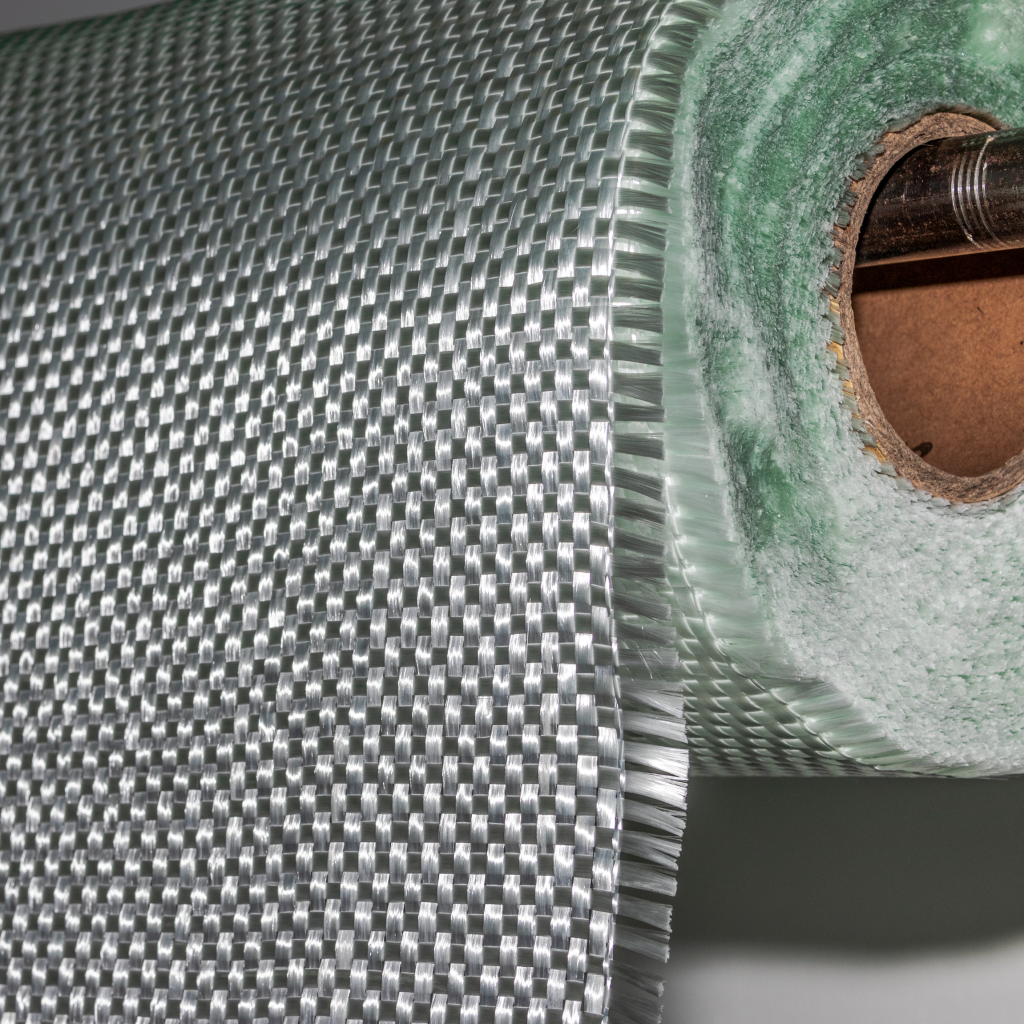
Textile materials are found in a range of high performance industrial applications from seat belts to airplanes. In these critical applications, bond strength is key. APJeT’s Plasma Systems can activate the surface of textile materials, improving their ability to bond to coatings and increasing their affinity for the resin matrix in composites. The final product is stronger and more durable.
APJeT’s Plasma Systems integrate easily into existing lines and operate at low temperatures, preventing operator burns and the deformation of textile substrates during line stops.
Plasma surface activation increases the surface energy of textile fabrics, improving wettability and increasing the bond strength of coatings, resins, and dyes. Coatings and adhesives form stronger bonds for a more robust and long-lived final product. Plasma treatment also allows for the transition from solvent-based to water-based delivery systems.
Plasma surface activation increases the surface energy of materials, improving wettability and increasing the bond strength of printed inks. Ink adheres better, lasts longer, and resists smudges. Plasma treatment also allows for the transition from solvent-based to water-based inks.h